


The Key Role of Meteorological Monitoring Stations in Tea Garden Production
Other Products


In the vast tea plantations, the growth, quality, and final yield of tea leaves are profoundly influenced by meteorological conditions. From the cultivation to the harvesting of tea, every step is closely related to weather. Therefore, the role of meteorological monitoring stations in tea production has become increasingly important.
Meteorological monitoring stations, as specialized equipment for monitoring and analyzing weather conditions, possess multiple functions. Firstly, they can monitor key meteorological factors in tea plantations in real-time, such as temperature, humidity, sunshine duration, light intensity, wind speed, and wind direction. This data serves as a crucial basis for tea plantation managers to make scientific decisions and implement precise management.
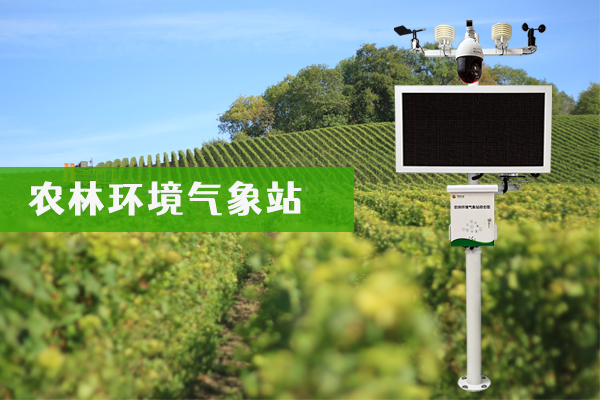
Additionally, meteorological monitoring stations also feature data analysis and prediction capabilities. By analyzing and modeling the collected meteorological data, these stations can provide forecasts and early warnings, helping tea plantation managers anticipate potential weather changes in advance and make corresponding decisions and arrangements accordingly.
Specific Applications of Meteorological Monitoring Stations in Tea Production
1. Optimizing Planting Management: With the data provided by meteorological monitoring stations, tea plantation managers can gain a more accurate understanding of the growing environment of tea plants and carry out appropriate field management based on the growth characteristics of the tea plants. For example, during periods of intense sunlight or high temperatures, managers can promptly perform operations such as spraying or irrigation to increase air humidity, lower temperatures, and provide a favorable growth environment for the tea plants.
2. Improving Tea Quality: Meteorological monitoring stations can monitor weather conditions in tea plantations in real-time. Managers can use this data to regulate the growth environment of tea plants, ensuring they thrive under optimal climatic conditions, thereby enhancing the quality of the tea. For instance, during the dormancy period of tea plants, managers can artificially extend light exposure to break the winter dormancy, promote the growth of new shoots, and improve both the yield and quality of the tea.
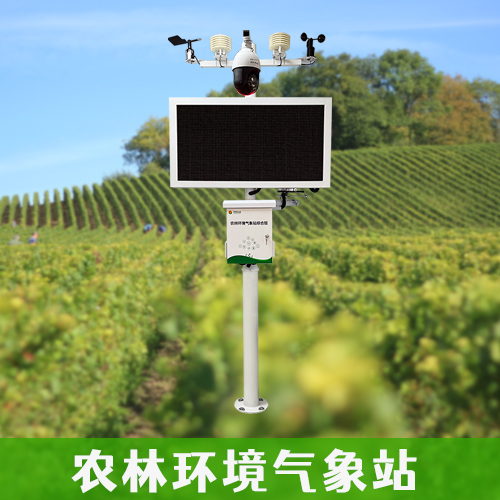
3. Preventing Natural Disasters: Meteorological monitoring stations can promptly predict and warn of potential natural disasters, such as frost and heavy rain. This is crucial for tea plantation managers, as they can take preventive measures in advance to minimize the impact of natural disasters on the plantations, ensuring both the yield and quality of the tea.
The role of meteorological monitoring stations in tea production cannot be overlooked. They not only provide tea plantation managers with precise meteorological data support, aiding in scientific decision-making and precise management, but also help reduce the impact of disasters through the prediction and early warning of natural disasters. Furthermore, meteorological monitoring stations can synergize with the ecological development of tea plantations, jointly promoting the sustainable development of tea production.
| Industry Category | Food & Beverage/Instant Beverages/Other Instant Drinks |
|---|---|
| Product Category | |
| Brand: | 河南兆迪 |
| Spec: | ZD系列 |
| Manufacturer: | 河南兆迪电子科技有限公司 |
| Origin: | 114101 |


